
コラム
column
2026-02-12
The Arctic Blueprint: Applying Yellowknife’s Niche Analytics to Transform Hakone’s Winter Low Season(楊彬權 2026年1月)
(英語による投稿です。Geminiによる日本語訳が続きます。)
Introduction: The Paradox of the Cold
In the world of high-value tourism, “extreme weather” is traditionally viewed as a liability. However, the sub-arctic city of Yellowknife, Canada, has spent decades proving the opposite. By transforming -30°C nights into a global stage for the Aurora Borealis, Yellowknife created a “high season” out of thin air. For Hakone, Japan, the month of February presents a similar paradox: it is the snowiest, most atmospheric month of the year, yet it remains a “low season” compared to the chaotic peaks of Autumn and Spring. This essay argues that by adopting the Yellowknife Model of predictability and “comfortable extremes,” Hakone can pivot February into its most profitable niche season.
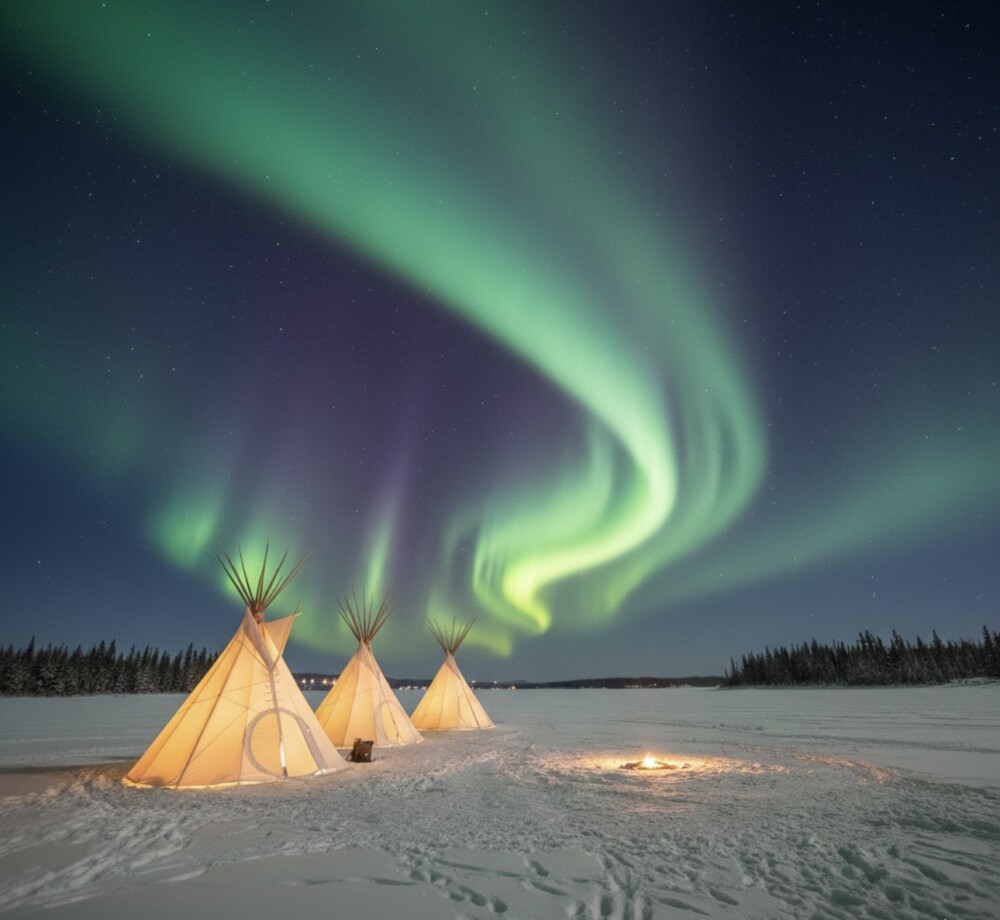
<Aurora in Yellowknife>
1. The Yellowknife Strategic Anchor: Predictability as a Product
Yellowknife’s success with the Japanese market was built on Predictability Analytics. They did not market “adventure”; they marketed a 90% Success Rate.
The Data-Driven Guarantee: Yellowknife tourism operators sell 3-night packages because the math guarantees an aurora viewing within that window. This removes “traveler’s anxiety” and justifies the high cost of a long-haul flight.
The Comfort Contrast: The “Yellowknife Model” relies on the “Thermos Effect”—the psychological luxury of being in a high-tech, warm environment (like a heated tipi) while looking out at a lethal, frozen landscape.
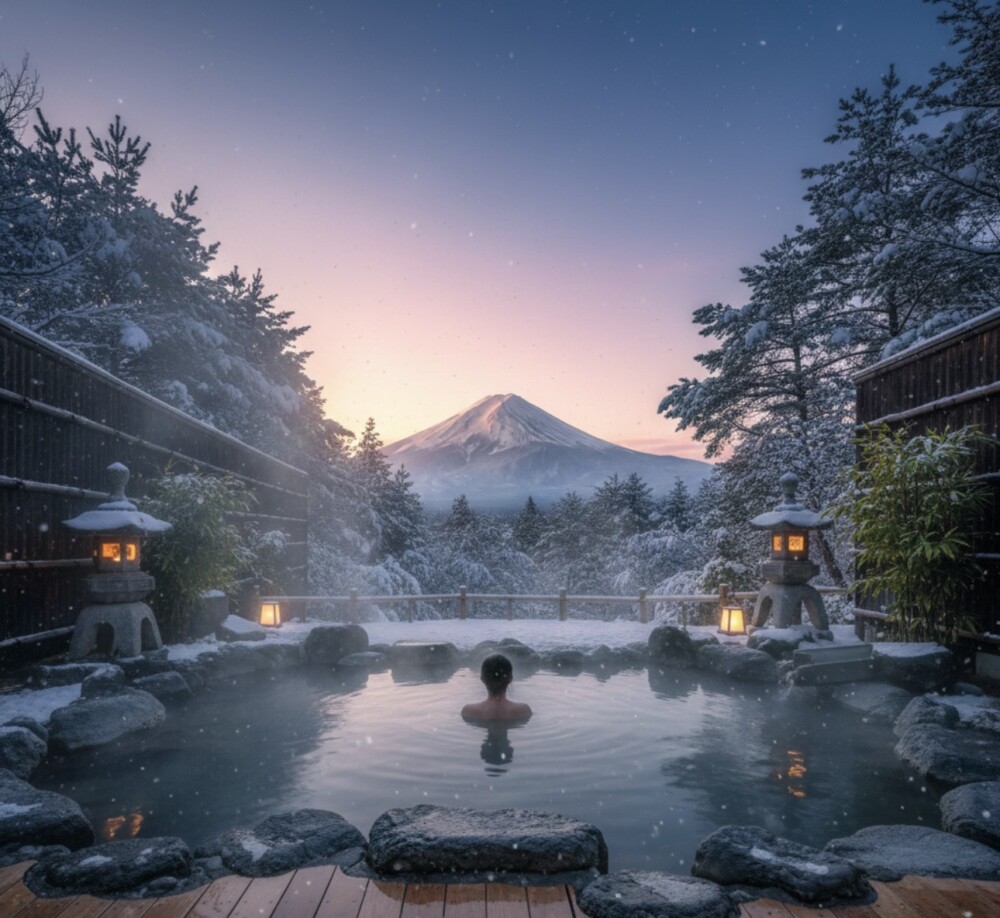
<Hot Spring in Hakone>
2. The Hakone Opportunity: Scaling the “Yukimi” Phenomenon
Currently, Hakone in February is underutilized. International tourists often avoid it due to fears of transit delays or “boring” cold. However, using the Yellowknife blueprint, Hakone can rebrand February as the “Exclusive Yukimi (Snow-Viewing) Window.”
A. From “Cold Weather” to “Geological Theater”
Just as Yellowknife markets the Auroral Oval, Hakone must market its unique Thermal-Snow Intersection.
The Strategy: Instead of selling a “room with a bath,” Hakone should market the “Thermal Shock Recovery” experience. Data-backed marketing should highlight the physiological benefits of “Yukimi-rotenburo”—soaking in 42 C volcanic water while snow falls at -2 C . This is the “Japanese Aurora”—a rare, visually stunning natural event that only occurs in a narrow time window.
B. Solving the “Low Season” with the 3-Night Guarantee
Hakone’s primary business problem is the “Day-Tripper” from Tokyo who spends little and leaves early.
The Strategy: Apply the “3-Night Aurora Rule.” Operators can market “Snow-Security Packages” in February. If a guest stays three nights, the probability of experiencing a “Heavy Snow Event” or a “Clear-Sky Fuji View” (which is statistically highest in the dry winter air) increases to over 80%. This shifts the consumer mindset from a quick stop-over to a “wait-and-watch” luxury retreat.
3. Implementing the “Comfortable Extreme”
Yellowknife houses and tour facilities are designed like fortresses against the cold. Hakone can learn from this “Extreme Infrastructure” to attract high-spending overseas visitors who find traditional Ryokans too “drafty” or cold.
Thermal Modernization: By investing in the same triple-pane argon windows and advanced “Arctic Porch” entries used in Yellowknife, Hakone Ryokans can offer a “warmth-guaranteed” stay.
The “Stay-In” Economy: During heavy February snow, transportation often pauses. Hakone can turn this into a feature, not a bug, by marketing “Luxury Seclusion.” High-end dining, in-room onsens, and “blizzard-watching” lounges create a high-margin environment where the guest never needs (or wants) to leave the property.
Conclusion: Re-Engineering Seasonal Value
The lesson from Yellowknife is that scarcity creates value. By rebranding the cold from a “deterrent” to a “geological event,” Hakone can stop competing for the mass-market spring crowds and start dominating the high-value winter niche. Turning February into a “High Season” requires moving away from general tourism and toward the Yellowknife Model: selling the extreme, guaranteeing the experience, and mastering the infrastructure of comfort.
日本語訳
北極圏のブループリント:イエローナイフのニッチ分析を応用し、
はじめに:寒冷という逆説
ハイエンド観光の世界において、「極端な天候」
日本の箱根にとって、2月は同様の逆説を抱えています。
1. イエローナイフの戦略的アンカー:「商品」としての予測可能性
イエローナイフが日本市場で成功を収めた背景には、「
• データ駆動型の保証: 現地の観光事業者は「3晩セット」のパッケージを販売します。
• 快適さの対比: 「イエローナイフ・モデル」は、一種の「魔法瓶効果」
2. 箱根のチャンス:雪見現象のスケールアップ
現在、2月の箱根は十分に活用されていません。
A. 「寒い天気」から「地質学的シアター」へ
イエローナイフが「オーロラベルト」
戦略: 単なる「露天風呂付き客室」を売るのではなく、「
B. 「3晩の保証」で閑散期を解決する
箱根の主要な課題は、消費額が少なく滞在時間の短い東京からの「
戦略: 「オーロラ3晩ルール」を応用します。2月に「
3. 「快適な極限状態」の実装
イエローナイフの施設は、寒さに対する「要塞」
断熱の近代化: イエローナイフで使われているトリプルガラスやアルゴンガス入り
ステイイン・エコノミー: 2月の大雪で交通が止まることを、欠点ではなく「
結論:季節価値の再構築
イエローナイフが教えてくれるのは、「希少性が価値を生む」